
[Deutsche Übersetzung weiter unten]
My spontaneous answer: Drawing people is somehow too humanoid for me … and there is always the risk that a figure will accidentally and unintentionally resemble someone. During my school days, I often (discreetly) drew portraits of teachers. It was fun, but always a bit tricky. I remember the irritated expression on one teacher’s face when he unexpectedly saw his portrait. It still makes me feel a little uncomfortable today.
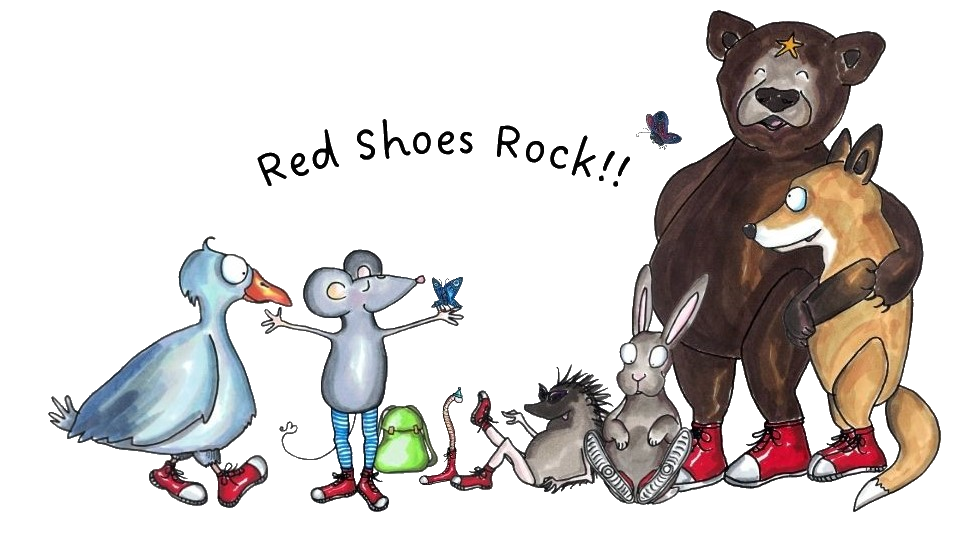
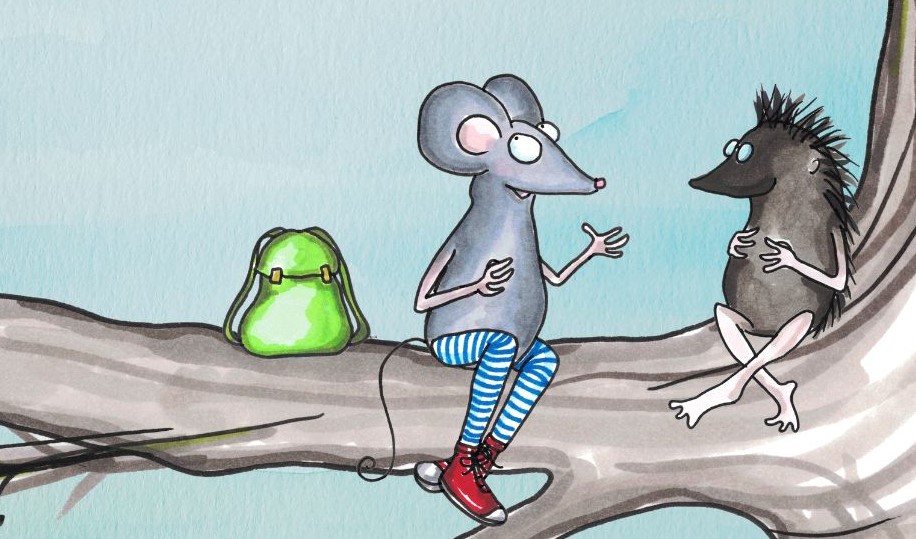
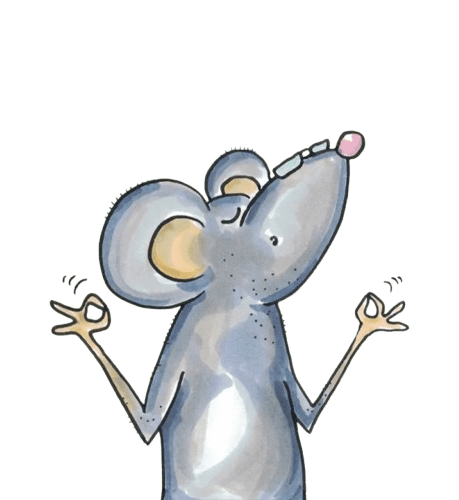
Drawing non-human figures is a much more enjoyable, pleasant, and less risky endeavor. These figures leave room for personal reflection on interpretation and identification, and for positive encounters!
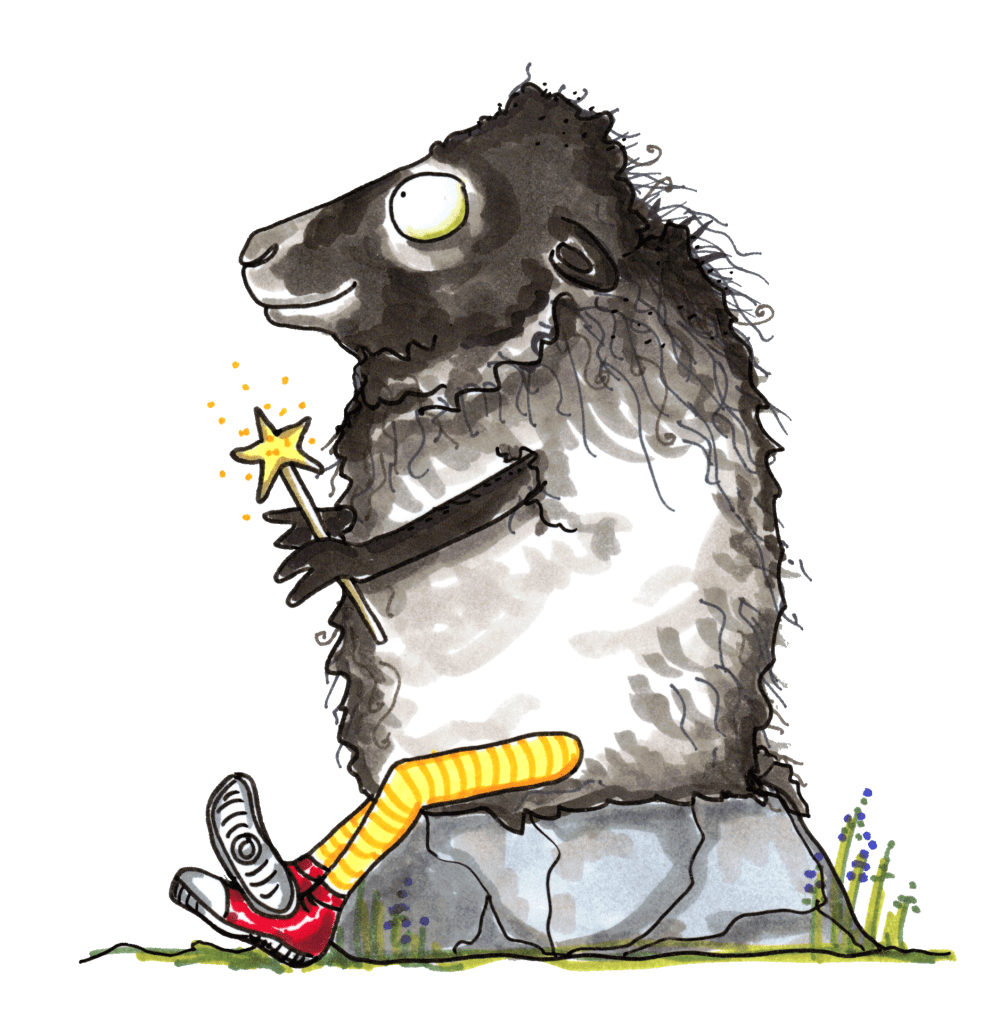
I have come into contact with people by drawing animal figures. I would otherwise probably never have engaged in conversation with them. They are fascinating individuals. Some work in social professions or in animal-assisted interventions. Others run in therapeutic environments. Some are committed to social issues, or are emotionally challenged for various reasons.
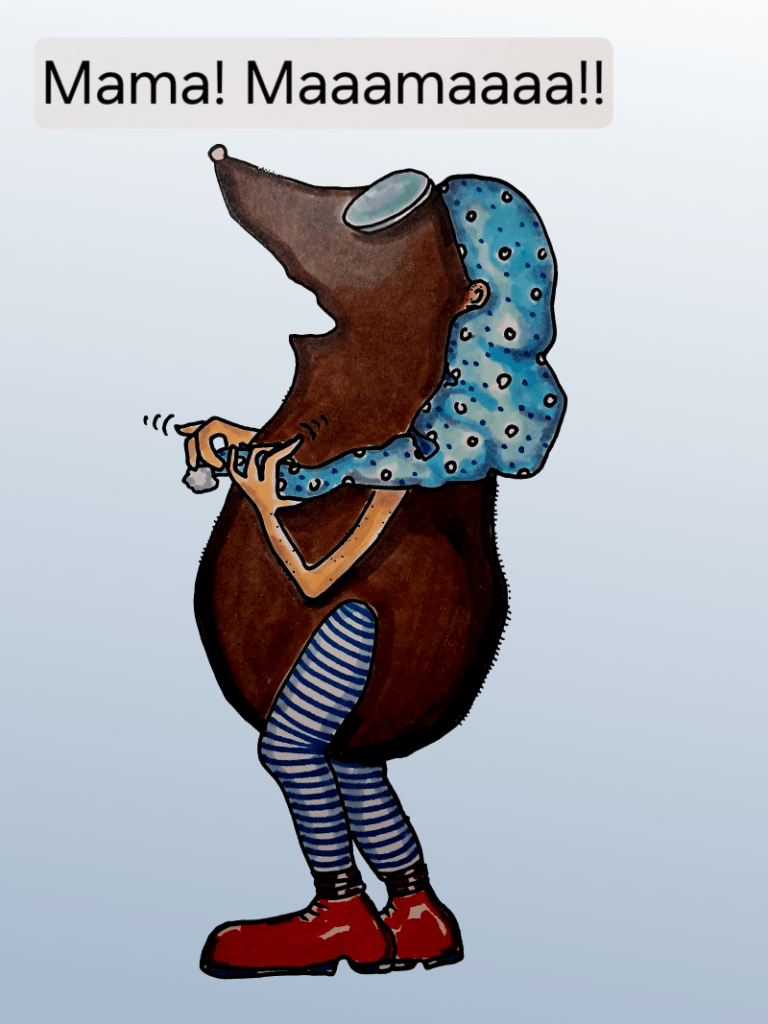
I even met a sheep, Fee (‘Fee’ translates to fairy). Fee is a lovable Breton dwarf sheep. She participates in animal-assisted intervention in eastern Austria. Now, she also wears red shoes—at least on paper. Interestingly, Fee has a lot in common with the Red Shoes Fairy.
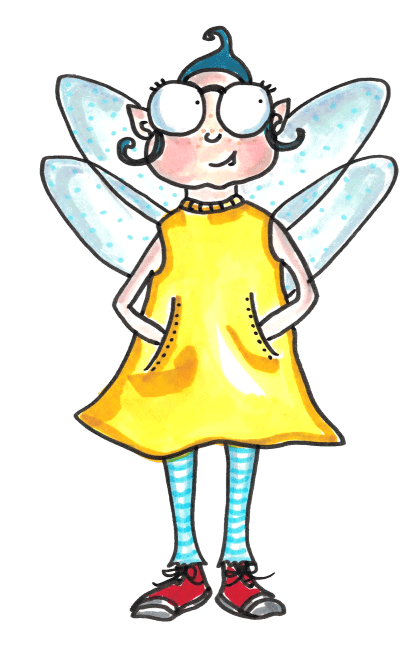
This character appeared on my drawing table some time ago. Although the Red Shoes Fairy has human features, she is definitely a magical creature.
Time will tell what the two of them are up to.
Warum Tiere zeichnen statt Menschen?
Meine spontane Antwort: Menschen zeichnen ist mir irgendwie zu menschlich …, und es gibt immer die Gefahr, dass eine Figur zufällig und unbeabsichtigt jemandem ähnelt. Während meiner Schulzeit habe ich öfters (diskret) Lehrer:innen porträtiert. Das war lustig, aber doch immer auch etwas heikel. Mir ist der irritierte Gesichtsausdruck eines Lehrers in Erinnerung geblieben, als er unerwartet sein Porträt erblickte. Ist mir bis heute etwas unangenehm.
Das Zeichnen nicht-menschlicher Figuren ist für mich ein weitaus vergnüglicheres, netteres, risikoärmeres Unterfangen. Diese Figuren lassen Raum offen für persönliche Überlegungen, Interpretation, Identifikation, und für Begegnungen!
Durch das Zeichnen von Tierfiguren haben mich Menschen kontaktiert, mit denen ich sonst wohl nicht ins Gespräch gekommen wäre. Es sind spannende Personen, die in sozialen Berufen, in der tiergestützten Intervention, in einem therapeutischen Umfeld arbeiten, sich für soziale Themen angangeirenoder die aus unterschiedlichen Gründen emotional stark belastet sind.
Kürzlich habe ich sogar ein Schaf kennengelernt, Fee. Fee ist ein liebenswürdiges Bretonisches Zwergschaf, das in Ostösterreich in der tiergestützten Intervention tätig ist und mittlerweile auch Red Shoes trägt – zumindest auf dem Papier. Fee verbindet interessanterweise einiges mit der Red Shoes Fairy, einer Figur, die vor einiger auf meinem Zeichentisch erschienen ist. Red Shoes Fairy weist zwar menschliche Züge auf, sie ist aber definitiv ein Zauberwesen.

 Smile Dose Gallery