Read more about the book here.
Visit my author’s page on Amazon for the paperback edition and on Lulu for the hardback edition. – Die roten Schuhe der Wandermaus auf Deutsch gibt es hier.
Read more about the book here.
Visit my author’s page on Amazon for the paperback edition and on Lulu for the hardback edition. – Die roten Schuhe der Wandermaus auf Deutsch gibt es hier.
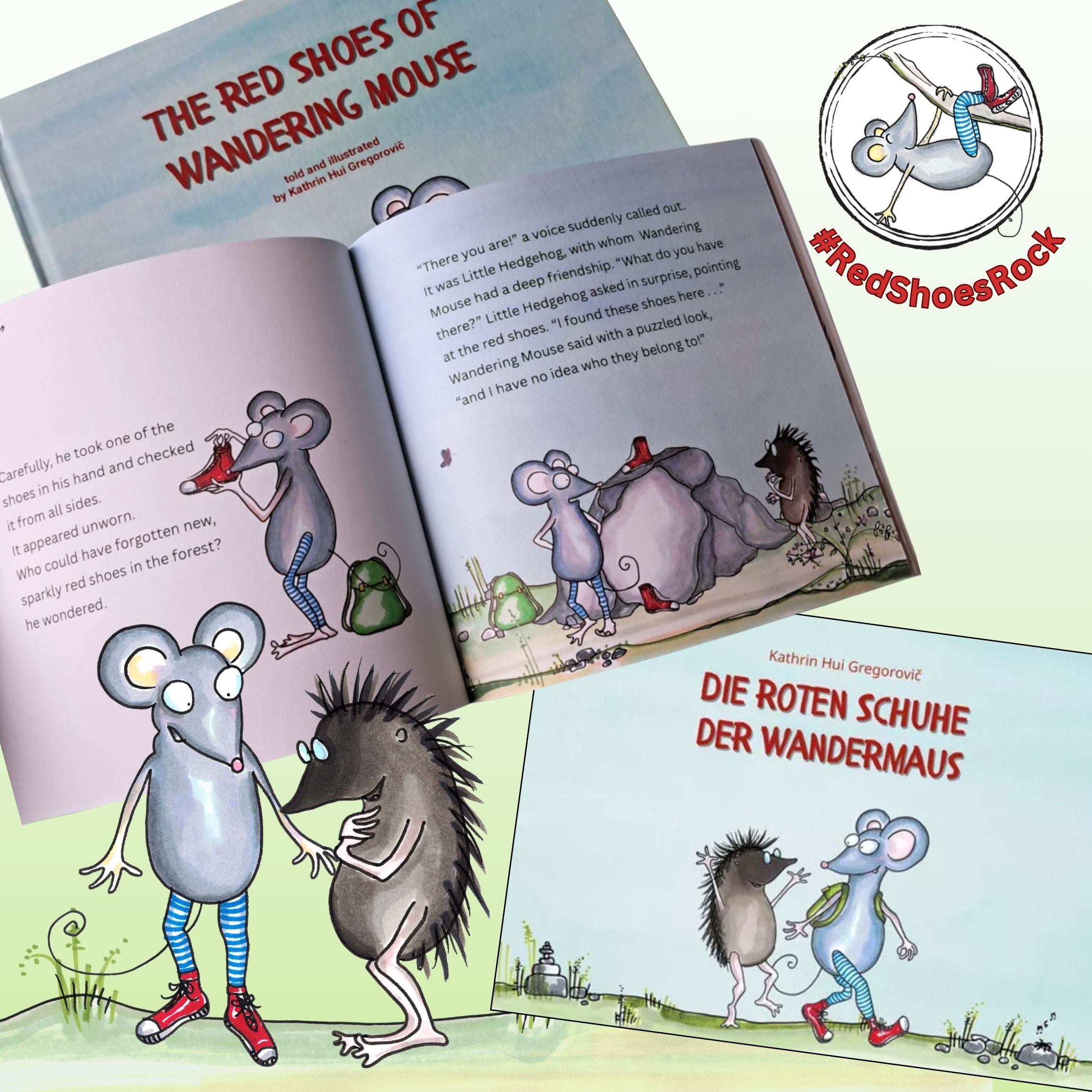
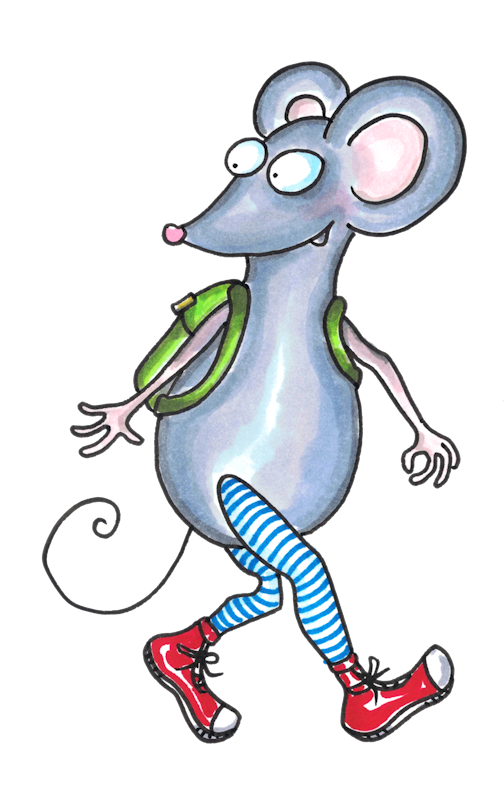
The Red Shoes of Wandering Mouse, a picture book for children and adults, tells the story of a mouse named Wandering Mouse. One day, he unexpectedly finds red shoes and decides to try them on.
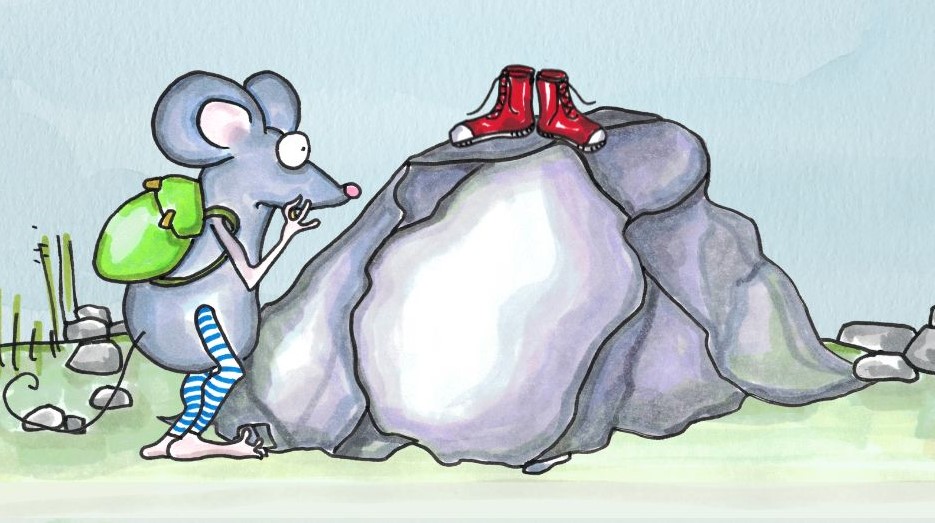
The story is inspired by RJ Formanek, the co-founder of the Red Shoes Rock campaign. Red shoes are an international symbol of FASD awareness.
However, the story’s focus is not on FASD (fetal alcohol spectrum disorder), but rather on friendship and community.
“We all need help with some things, and it feels good to help others too,” Wandering Mouse concludes at the end of the story.
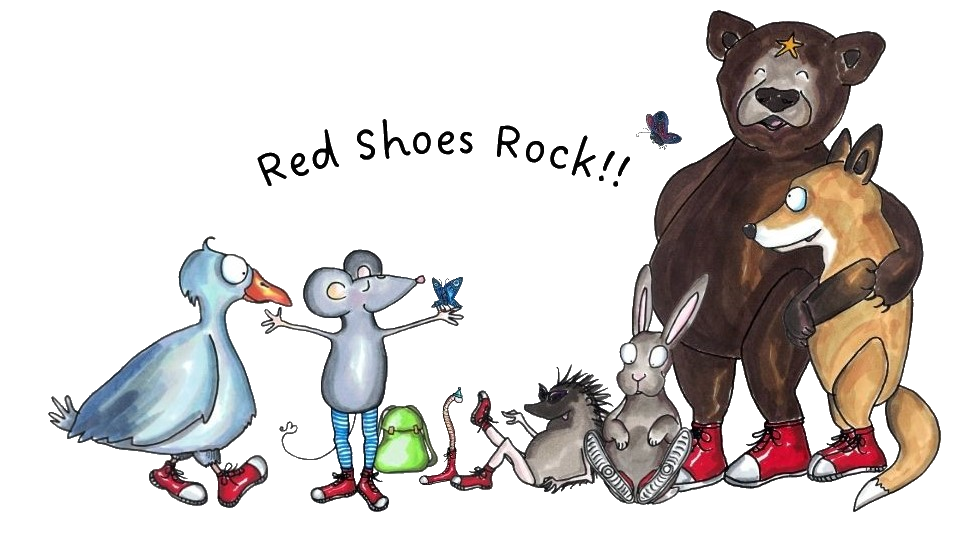
The afterword of the book provides information about FASD and the meaning of red shoes.
Visit my author’s page on Amazon for the paperback edition and on Lulu for the hardback edition.
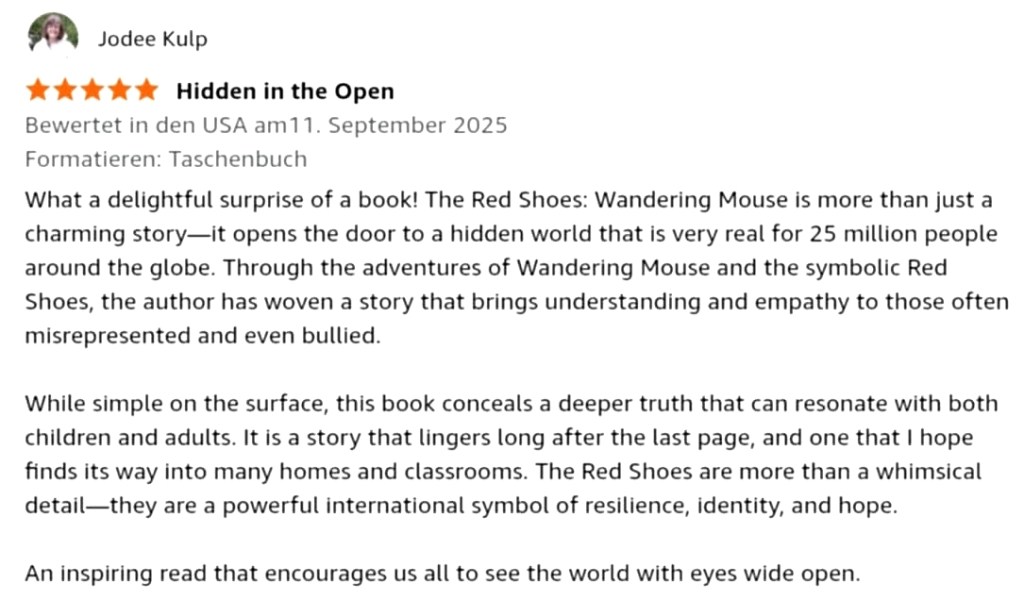
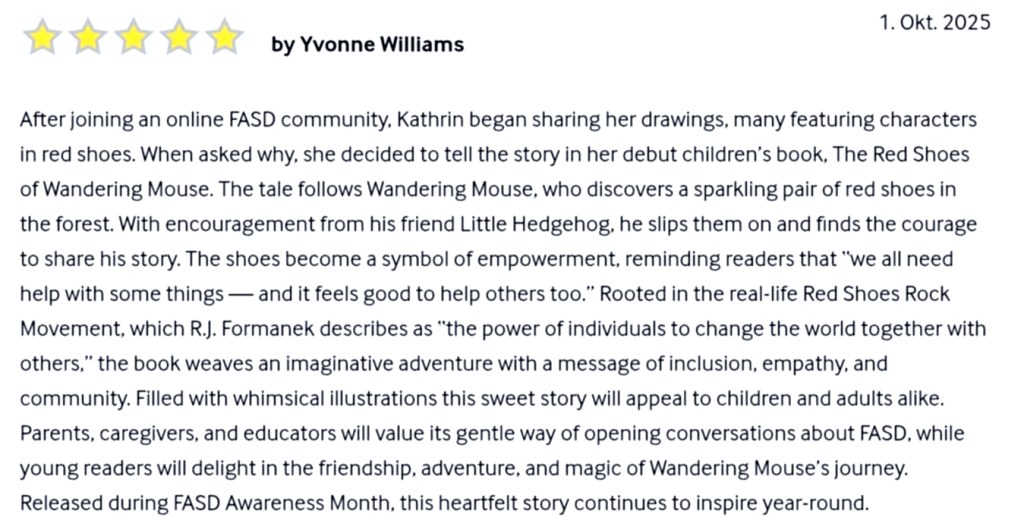
Read a full book review by Yvonne Williams here !
Die roten Schuhe der Wandermaus ist ein Bilderbuch für Kinder wie für Erwachsene. Eines Tages findet die Wandermaus überraschend rote Schuhe und nach einigem Überlegen beschließt sie, sie anzuprobieren.
Inspiriert ist diese Geschichte von RJ Formanek, dem Mitbegründer der Red Shoes Rock Kampagne. Rote Schuhe sind ein internationales Symbol für FASD Awareness.
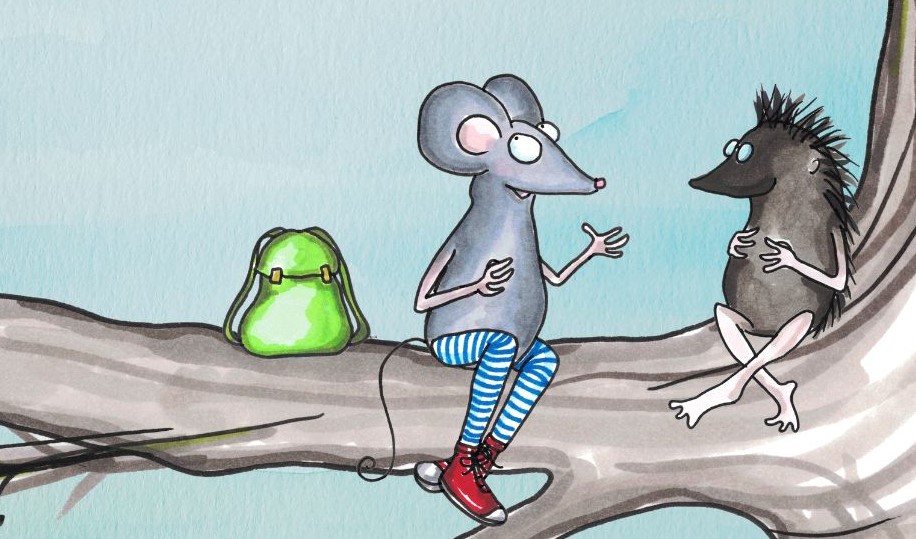
Der Fokus der Geschichte liegt jedoch nicht auf FASD (Fetale Alkoholspektrumstörung), sondern vielmehr auf Freundschaft und Zusammenhalt.
“Alle sind wir froh, in bestimmten Dingen Unterstützung zu erhalten – und es ist schön, anderen ebenso Hilfe anbieten zu können”, stellt die Wandermaus am Ende der Geschichte fest.
Das Buch bietet im Nachwort Informationen über FASD und die Bedeutung der roten Schuhe.
Zu meiner Autorinnen-Seite auf Amazon geht es hier.
Mice have been around for a very long time. I don’t know exactly how long, but at least a few thousand years. That’s why I started a series called “The Mouse Through the Ages”, which currently spans from ancient Rome to our technology-oriented current era.
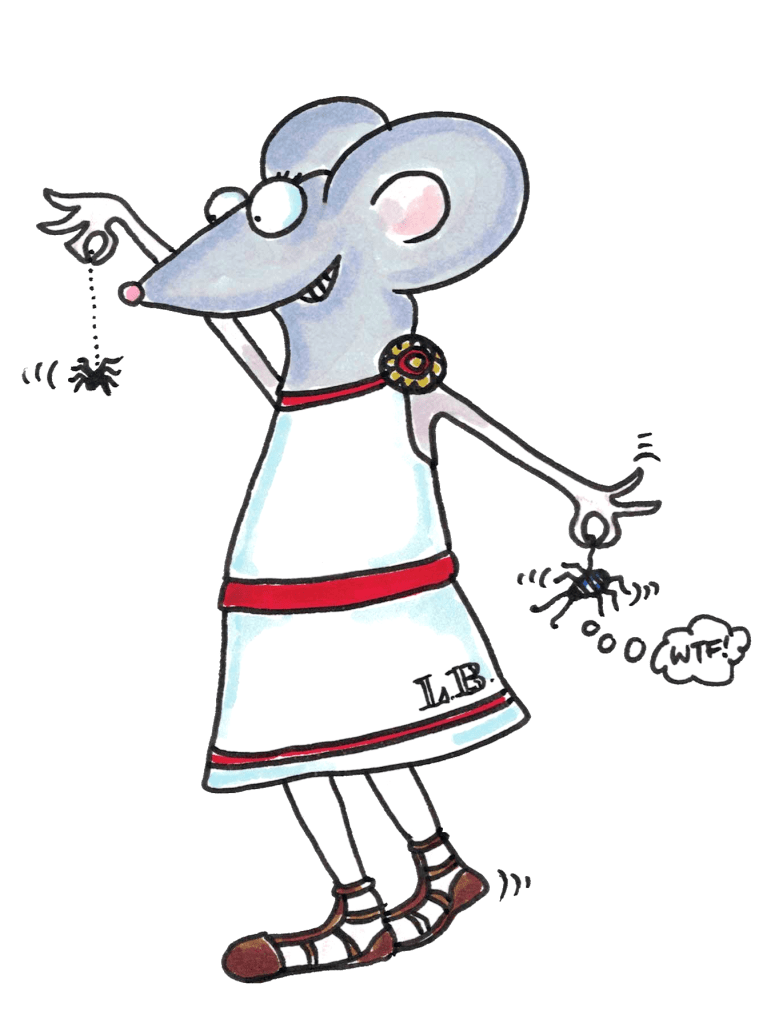
Mäuse gibt es ja schon sehr lange. Wie lange, weiß ich zwar nicht, aber sicher mindestens ein paar tausend Jahre. Daher habe ich eine Serie „Die Maus im Wandel der Zeit“ begonnen, die derzeit vom Alten Rom bis in die heutige, technisch orientierte Zeit reicht.
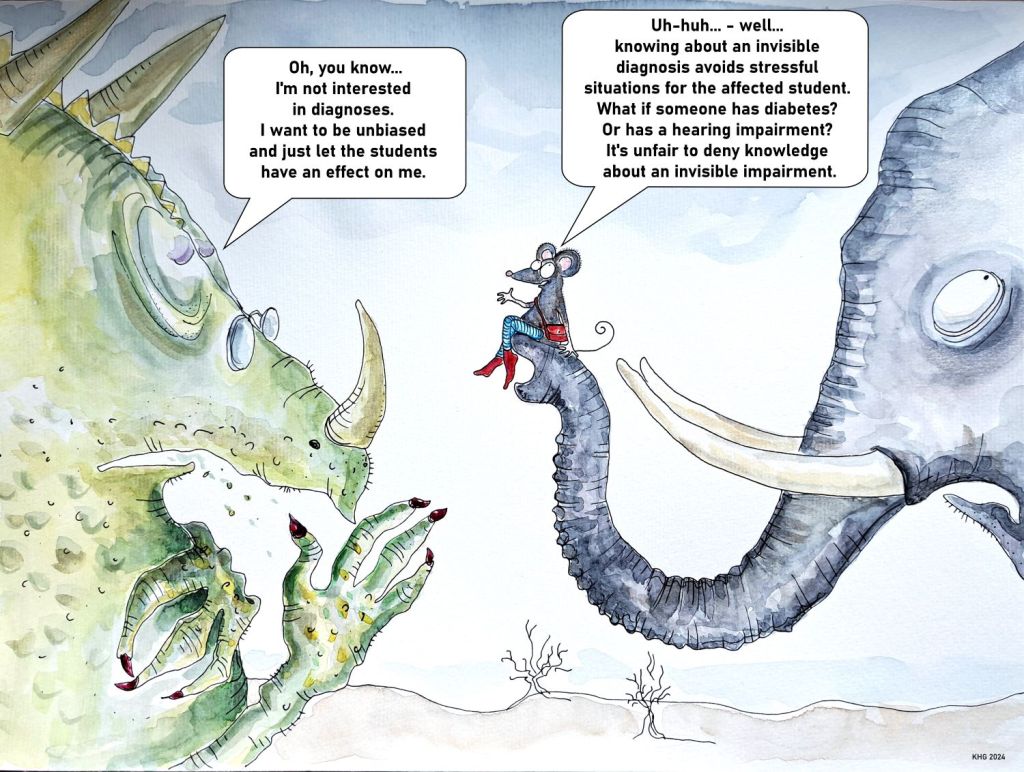
You don’t need to know everything. It’s just important to know what you don’t know and to accept information…. – especially in the area of neurodivergence such as FASD, ADHD, autism. As a teacher, caregiver, or even a professional, you can’t be an expert in everything. In the interest of successful care, education, and social participation, it is essential that we as involved recognize our own lack of expertise.
Love and good will alone are not enough; knowledge is required to provide good support for people with special needs in the area of neurodivergence. This is no different than when caregivers of people with visual impairments, diabetes, paralysis, etc. are trained (and willingly trained).
The acknowledgement of unawareness or incompetence is a sign of personal maturity and strength.
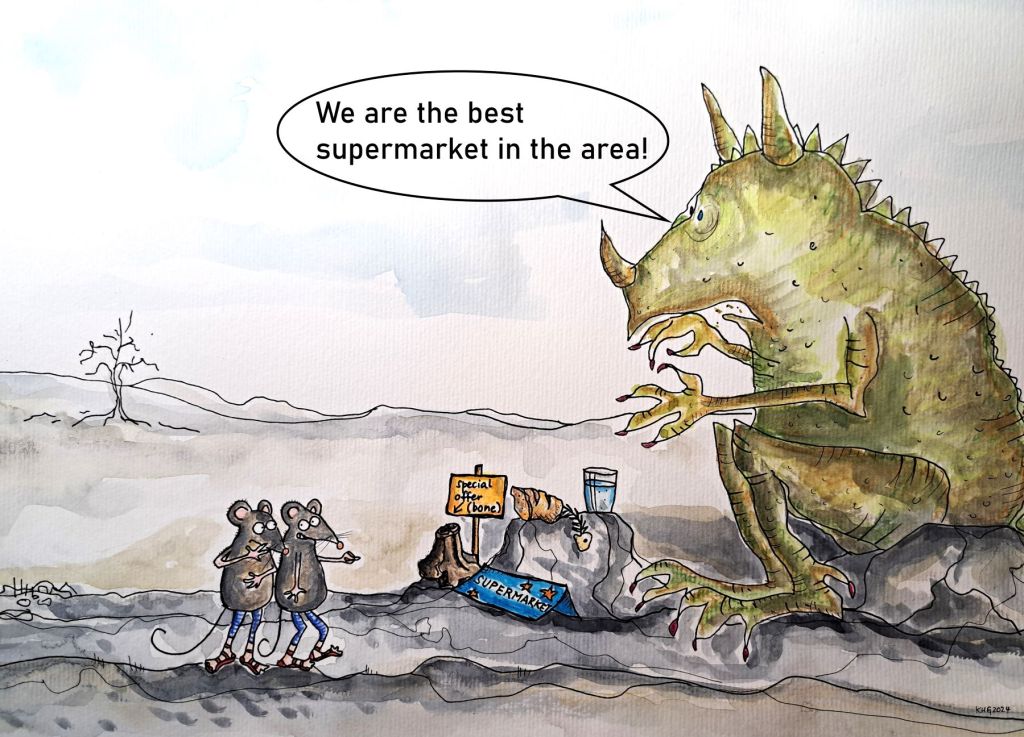
Man muss nicht alles wissen. Es ist nur wichtig zu wissen, was man nicht weiß, und Informationen zu akzeptieren… – besonders im Bereich der Neurodivergenz wie FASD, ADHS, Autismus.
Als Lehrer, Betreuer oder sogar als Fachperson kann man nicht in jedem Bereich ein Experte sein. Im Interesse einer erfolgreichen Betreuung, Bildung und sozialen Teilhabe ist es unerlässlich, dass wir Beteiligte unsere eigene Nicht-Kompetenz bewusst (an)erkennen.
Liebe und guter Wille allein reichen nicht aus, um Menschen mit besonderen Bedürfnissen im Bereich der Neurodivergenz gut zu unterstützen. Wissen ist erforderlich. Das ist nicht anders, als wenn Betreuer von Menschen mit Sehbehinderungen, Diabetes, Lähmungen usw. geschult werden (und froh darum sind!).
Das Eingeständnis von Unwissenheit ist ein Zeichen von persönlicher Reife und Stärke.

This file was derived from: Competence Hierarchy adapted from Noel Burch by Igor Kokcharov.jpg by Kokcharov, CC BY-SA 4.0, (https://commons.wikimedia.org/w/index.php?curid=60343464)
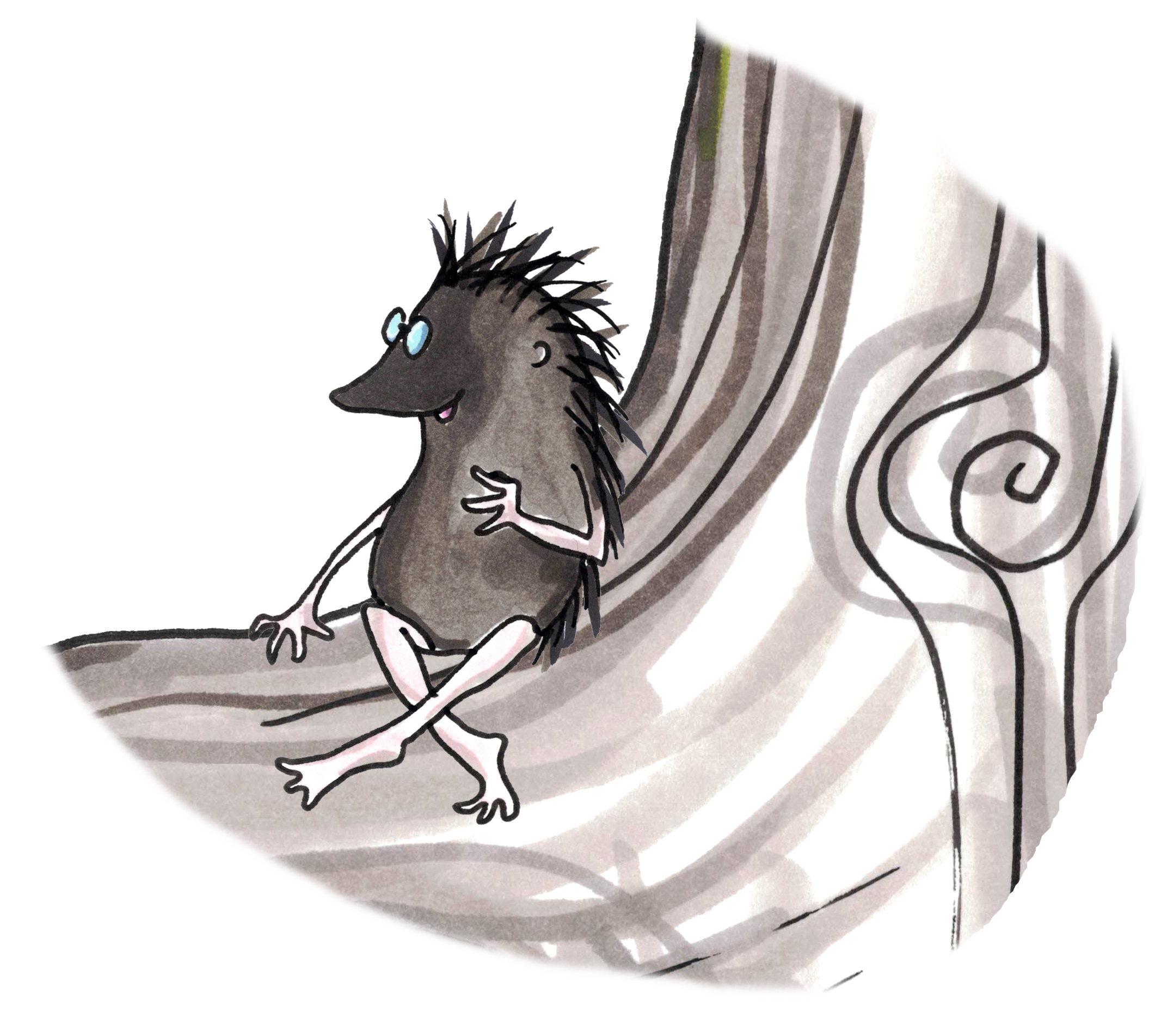
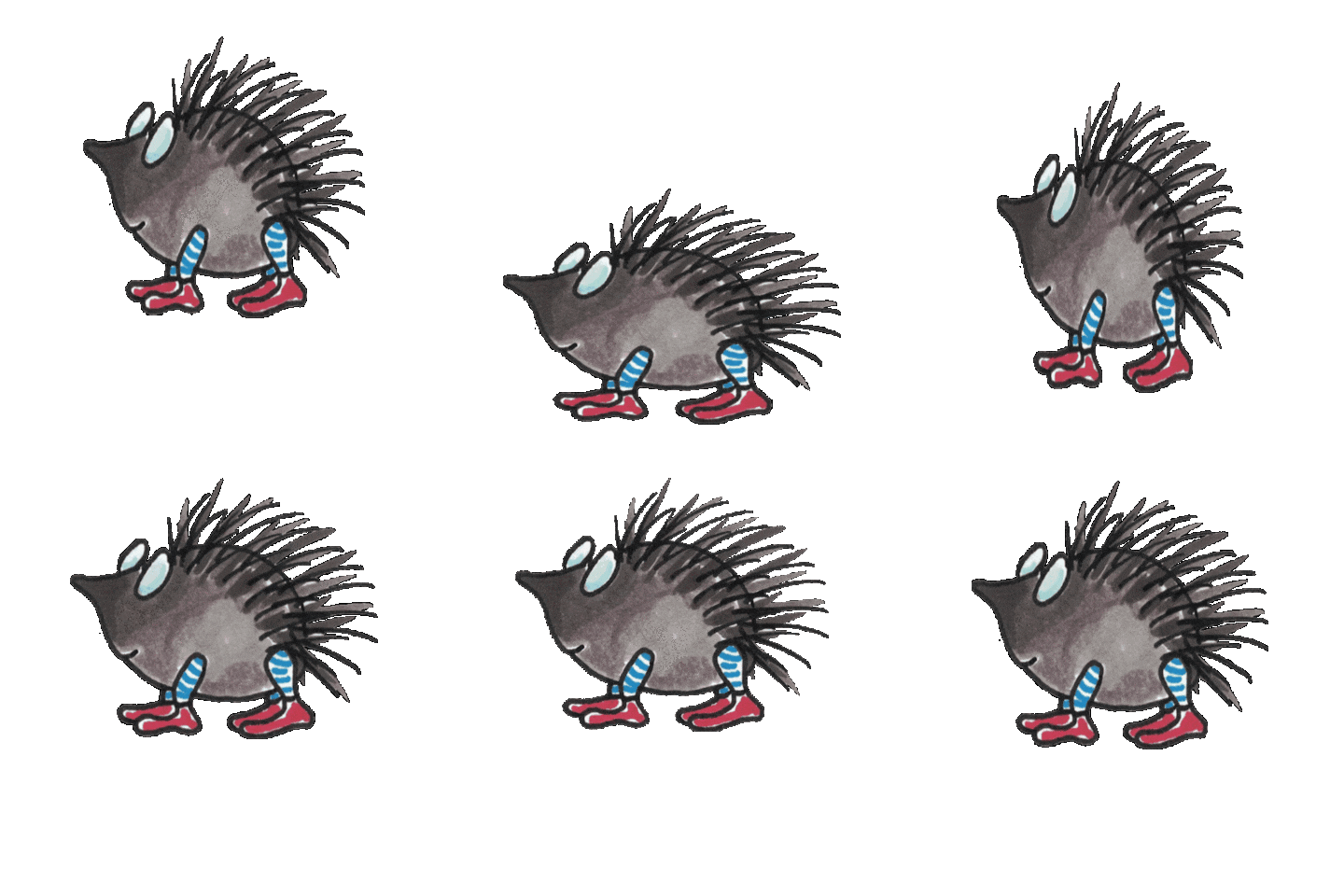
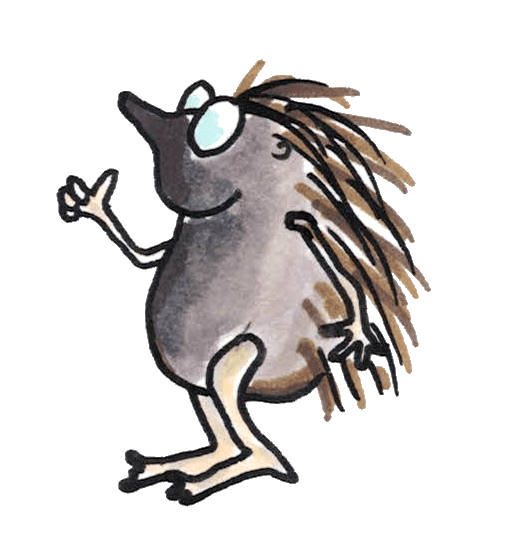
After drawing many cheeky mice and more or less confused moneybags, the desire for another companion grew. One day the first hedgehog appeared on paper. In the meantime, the hedgehog has even a few companions.

The hedgehog is generally more reserved and less cheeky than most mice, but he can also be humorous! Sometimes he doubts himself and gets anxious (especially when a mouse gets him involved in some mischief). But he is a very curious little guy and even a bit romantic.
And he knows what he needs to recover from everyday life. Recently I found him leaning against my warm mug of tea…
See more hedgehogs here!
Valentine’s Day. Why not start by making a gesture of friendship to yourself?
So, one thing that can help to achieve this is what I call the SW[TF]HA, the “Soooo… what [t*f#] happened algorithm”. It fits every situation and it is about finding a more positive attitude through positive reflection and reframing a tough situation. Even when circumstances are difficult it’s important being as compassionate and kind with yourself as you are with your loved ones.
The algorithm is inspired by my extensive caregiver community, where constant learning and sharing experiences are essential components.
In addition to the algorithm, the gallery contains a few other examples of what helps you cultivate friendships with yourself or others.
Where do you hide to make private phone calls? Where are you out of sight of your loved ones for at least five minutes?

How do you deal with stressful holidays? What strategies have you developed to escape overstimulation?
–> Click here to take the test
Ps. Of course, there are times when nothing works. Then it’s time for the roller coaster.
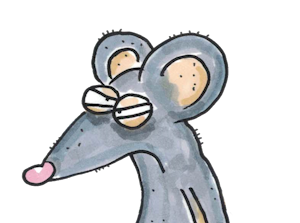
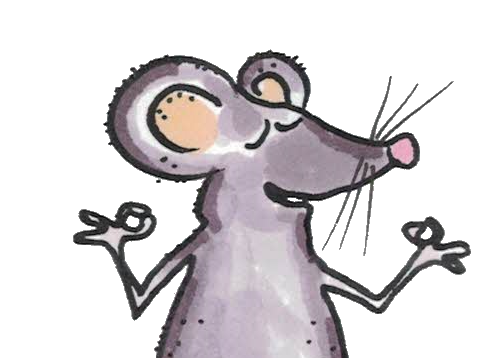
There are two contrasting characters among the mice: The Grumpy Mouse and the Mindful Mouse. It is not known if the two have ever met and interacted. It would probably make sense for Grumpy Mouse – in fact, I would wish it for her. Mindful Mouse‘s serene expression has a very calming effect.
However, it is also likely that Mindful Mouse has to allow herself moments of grumpiness. Who knows.
The two mice also have a ‘friend’ whose case is even more complex because he doesn’t want to admit his grumpiness.
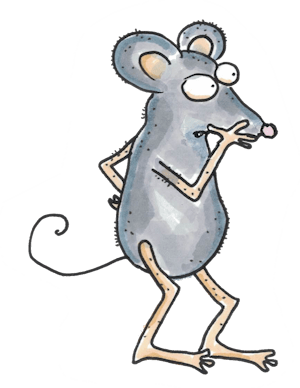
(If you ask me if certain people inspired me: yes – for all the characters. Some will recognize themselves, others probably not…)
See more in the Gallery.

When you think about it, no one is completely independent. As soon as we buy a product, use a service or even a calendar to look something up, we are interdependent – not independent. Interdependence is the norm.
So it makes no sense to try to reduce accommodations for people with invisible disabilities like FASD or autism “so they can learn to be independent”. You don’t take a wheelchair away from someone who needs it, and you don’t take a cane away from someone with a visual impairment “because they’re already doing well with it”.
A young adult with FASD or autism may still need help getting dressed, packing their bag, and being reminded to eat and drink to help them get through the day. Why should that support be reduced if it provides relief to the person whose brain already works much harder than that of a neurotypical person?
Maybe a student doesn’t know the order of the months by heart, even after weeks of practice – but this student knows how to look it up online. Why blame her/him if the brain is simply struggling with memory?
These issues are prevalent among caregivers of and people with invisible disabilities. Unfortunately, this is often coupled with the realization that the environment is not willing to embrace this mindset.
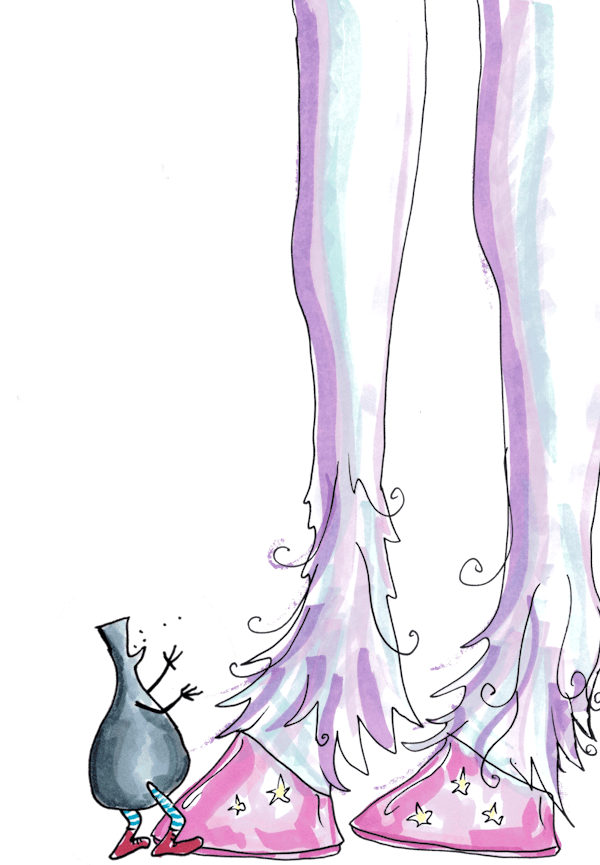
There is one character that has a very special place in my heart: Crumble.
Crumble is a lovely, unique money bag. He somehow evolved in an exchange with my quirk-loving friends.
Crumble fights for recognition, wonders about life, and is happy when he gets to eat a cookie. (Money is of secondary importance to him.)
Oh, and one of his best friends is a unicorn.
Click here for Crumble in the Gallery
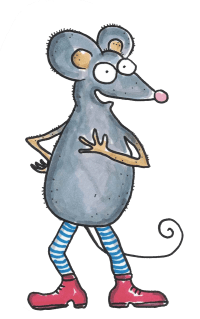
Why are many of my creatures wearing red shoes? 
Red shoes are an international symbol of FASD awareness. You can read more about it here: https://redshoesrock.com/why-red-shoes/
For example, FASD (Fetal Alcohol Spectrum Disorder) is at least 2.5 times more common than autism spectrum disorder and 28 times more common than Down syndrome.
FASD is thus “one of the leading known causes of developmental disability in the Western world”. (Source: https://canfasd.ca/blog/)
It is estimated that there are at least one or two children with FASD in every school classroom. Yet many professionals, educators and caregivers know too little about how to support children and adults with FASD.
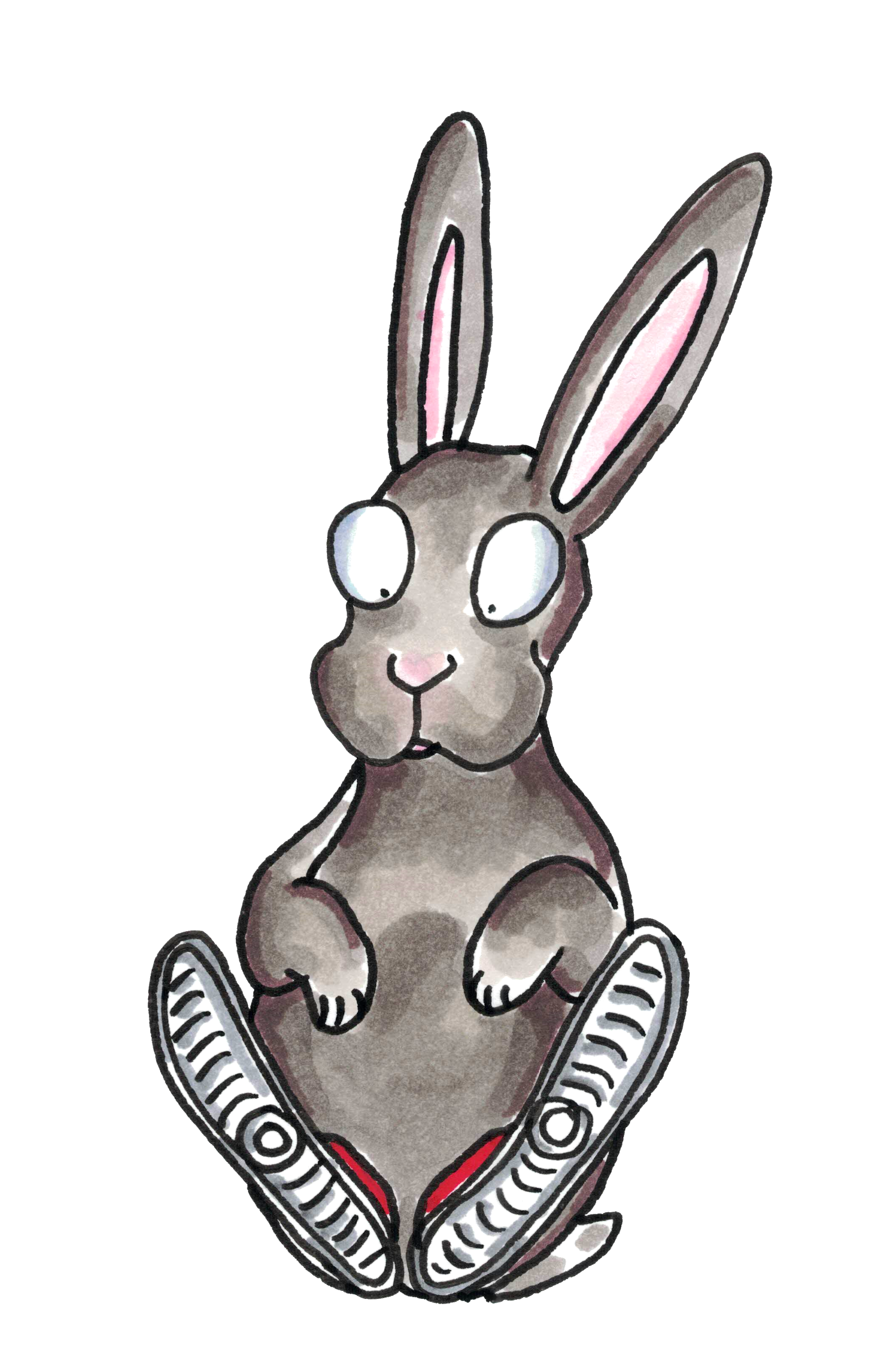
To help raise awareness, my characters proudly wear their red shoes. Red shoes are a great conversation starter.
More info you can find also here:
…and my interpretation about EQUAL and FAIR treatment.
In the context of neurodivergence (and in other areas too, of course), needs and required supports or accommodations can vary widely from person to person. Treating everyone “the same” can not work. It is therefore necessary to look for solutions that meet the needs and the conditions of the individual and allow everyone to experience success.
To explain this to my children I created my own interpretation of equal and fair treatment.
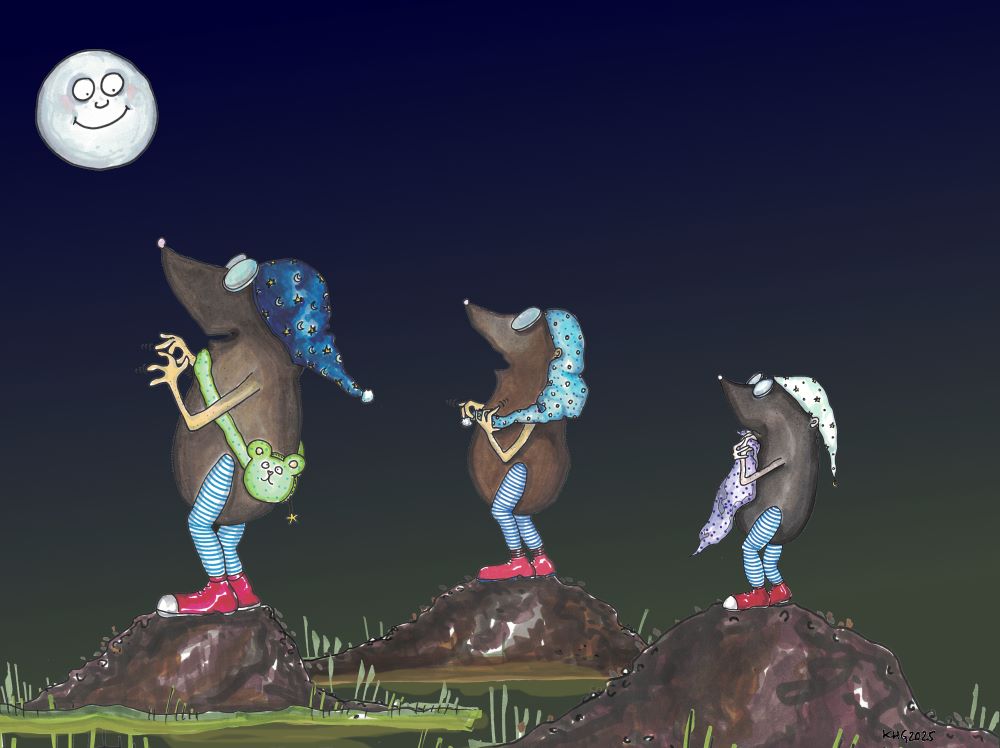
Night moles are moon lovers. One night the three night moles were admiring the full moon. Each of them stood on his own molehill. They were all the same size. Unfortunately, the big mole blocked the little one’s view. So they had to come up with a solution so that the smallest one could also have a good view. They had to come up with a fair solution.
Why didn’t they just swap places, the little one with the big one? First, because the little one didn’t like someone standing behind him, and second, he simply had the right to stay in his own place.
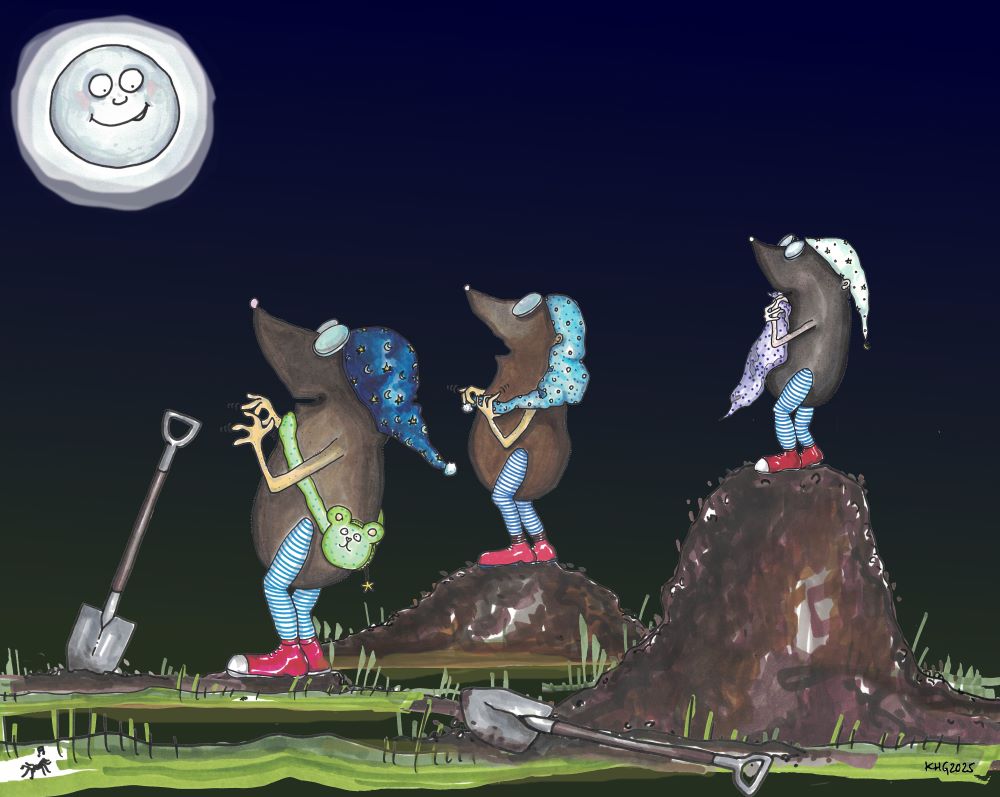
Ps. Have you noticed that they all wear red shoes?
I don’t know anyone who doesn’t appreciate a little smile or chuckle… And for many of my friends, it means a tiny, precious moment of respite from the exhaustion of everyday life, sorrows, mental and physical health challenges, big responsibilities and activities.
Originally meant as a form of loose entertainment within an amazing international caregiver community, the smile dose gallery is now here to give everyone who needs it the opportunity to get a smile, smirk or chuckle.
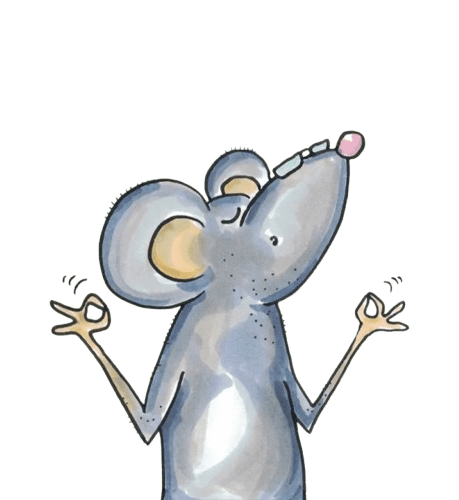
I will need some time to place a number of smile doses here, as my everyday life is not really … hmm… boring either.
Oh well. Who am I actually: I am a working parent of two amazing, neurodivergent children who teach me every day to see the world through their eyes.
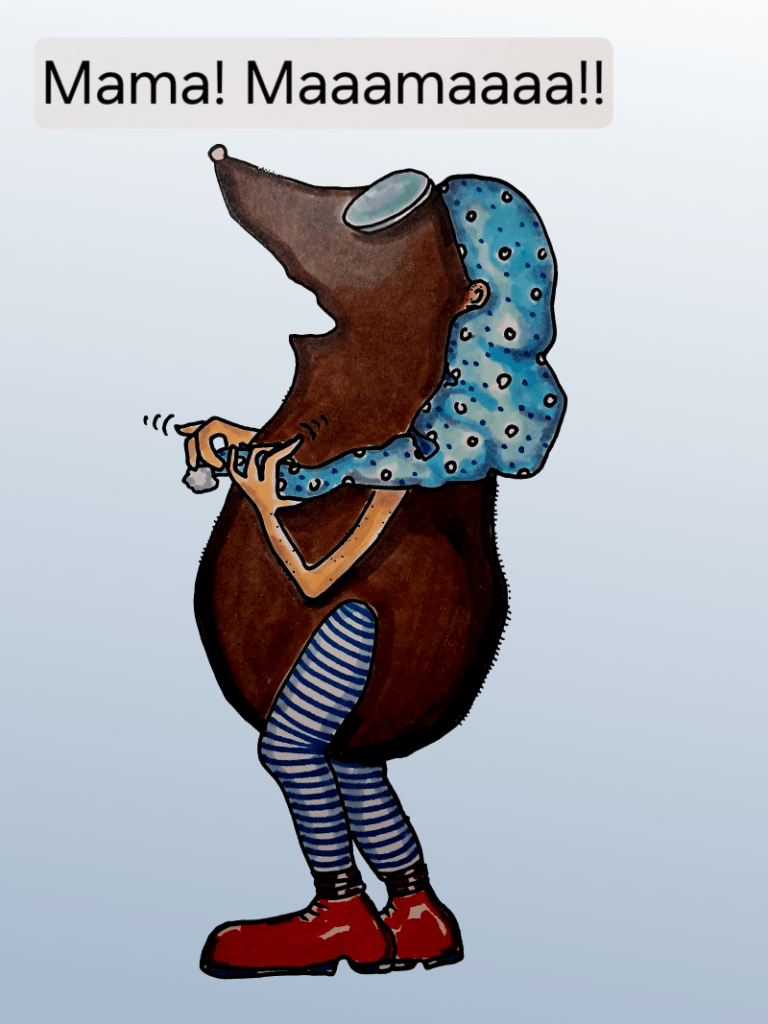
… And I have wonderful friends from all over the world.
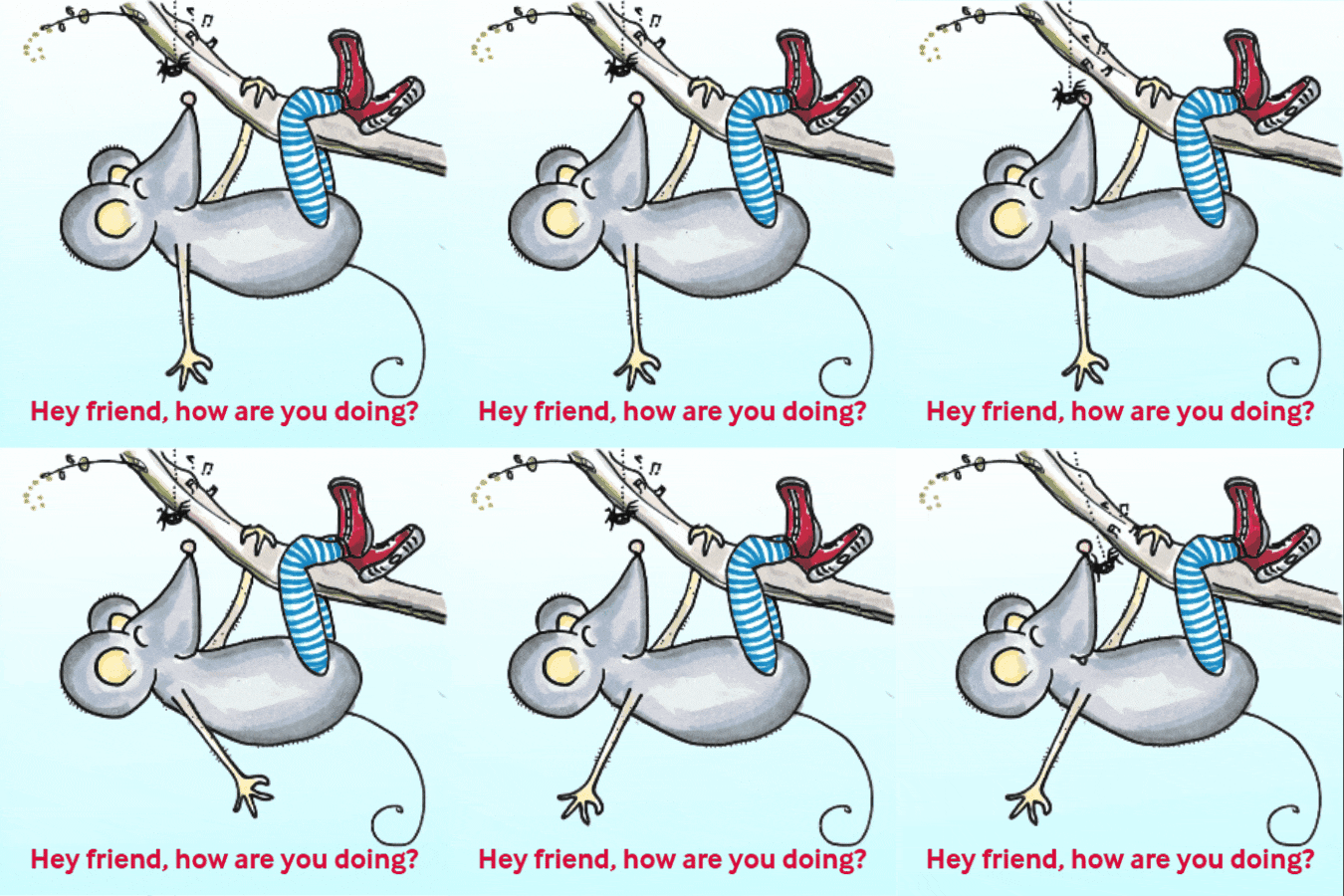
 Smile Dose Gallery