
The thing about unconscious incompetence…
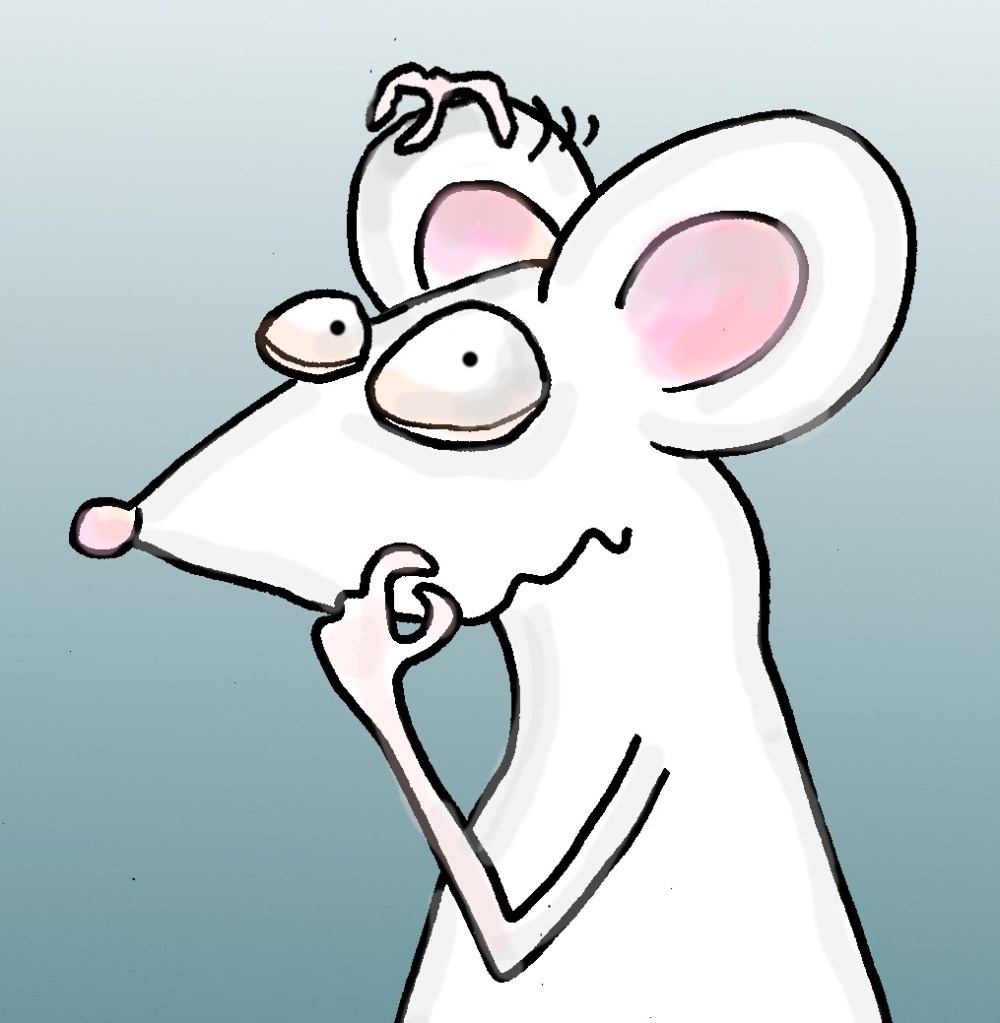
You don’t need to know everything. It’s just important to know what you don’t know and to accept information…. – especially in the area of neurodivergence such as FASD, ADHD, autism. As a teacher, caregiver, or even a professional, you can’t be an expert in everything. In the interest of successful care, education, and social participation, it is essential that we as involved recognize our own lack of expertise.
Love and good will alone are not enough; knowledge is required to provide good support for people with special needs in the area of neurodivergence. This is no different than when caregivers of people with visual impairments, diabetes, paralysis, etc. are trained (and willingly trained).
The acknowledgement of unawareness or incompetence is a sign of personal maturity and strength.
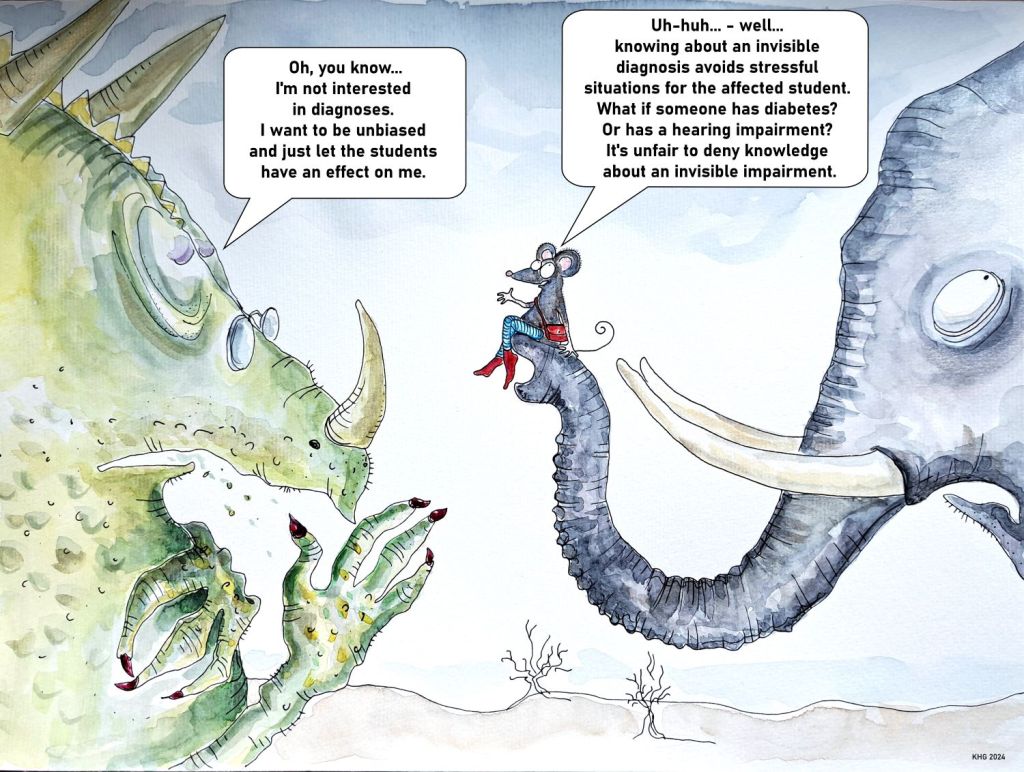
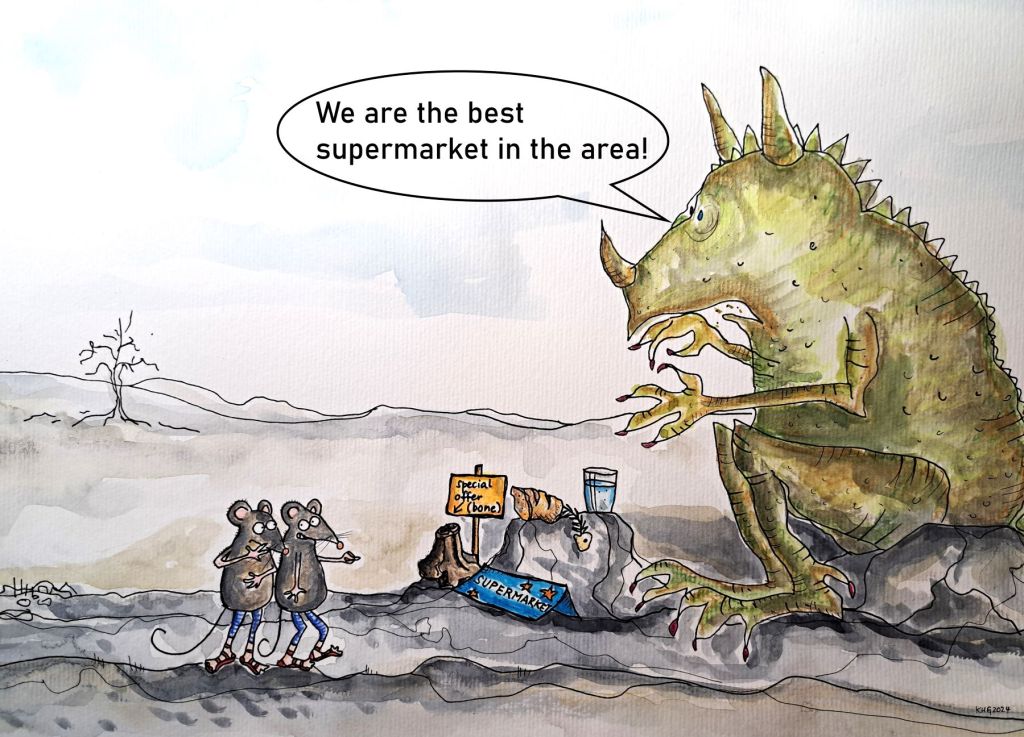
Die Sache mit der unbewussten Inkompetenz…
Man muss nicht alles wissen. Es ist nur wichtig zu wissen, was man nicht weiß, und Informationen zu akzeptieren… – besonders im Bereich der Neurodivergenz wie FASD, ADHS, Autismus.
Als Lehrer, Betreuer oder sogar als Fachperson kann man nicht in jedem Bereich ein Experte sein. Im Interesse einer erfolgreichen Betreuung, Bildung und sozialen Teilhabe ist es unerlässlich, dass wir Beteiligte unsere eigene Nicht-Kompetenz bewusst (an)erkennen.
Liebe und guter Wille allein reichen nicht aus, um Menschen mit besonderen Bedürfnissen im Bereich der Neurodivergenz gut zu unterstützen. Wissen ist erforderlich. Das ist nicht anders, als wenn Betreuer von Menschen mit Sehbehinderungen, Diabetes, Lähmungen usw. geschult werden (und froh darum sind!).
Das Eingeständnis von Unwissenheit ist ein Zeichen von persönlicher Reife und Stärke.
The four stages of competence:

This file was derived from: Competence Hierarchy adapted from Noel Burch by Igor Kokcharov.jpg by Kokcharov, CC BY-SA 4.0, (https://commons.wikimedia.org/w/index.php?curid=60343464)
 Smile Dose Gallery